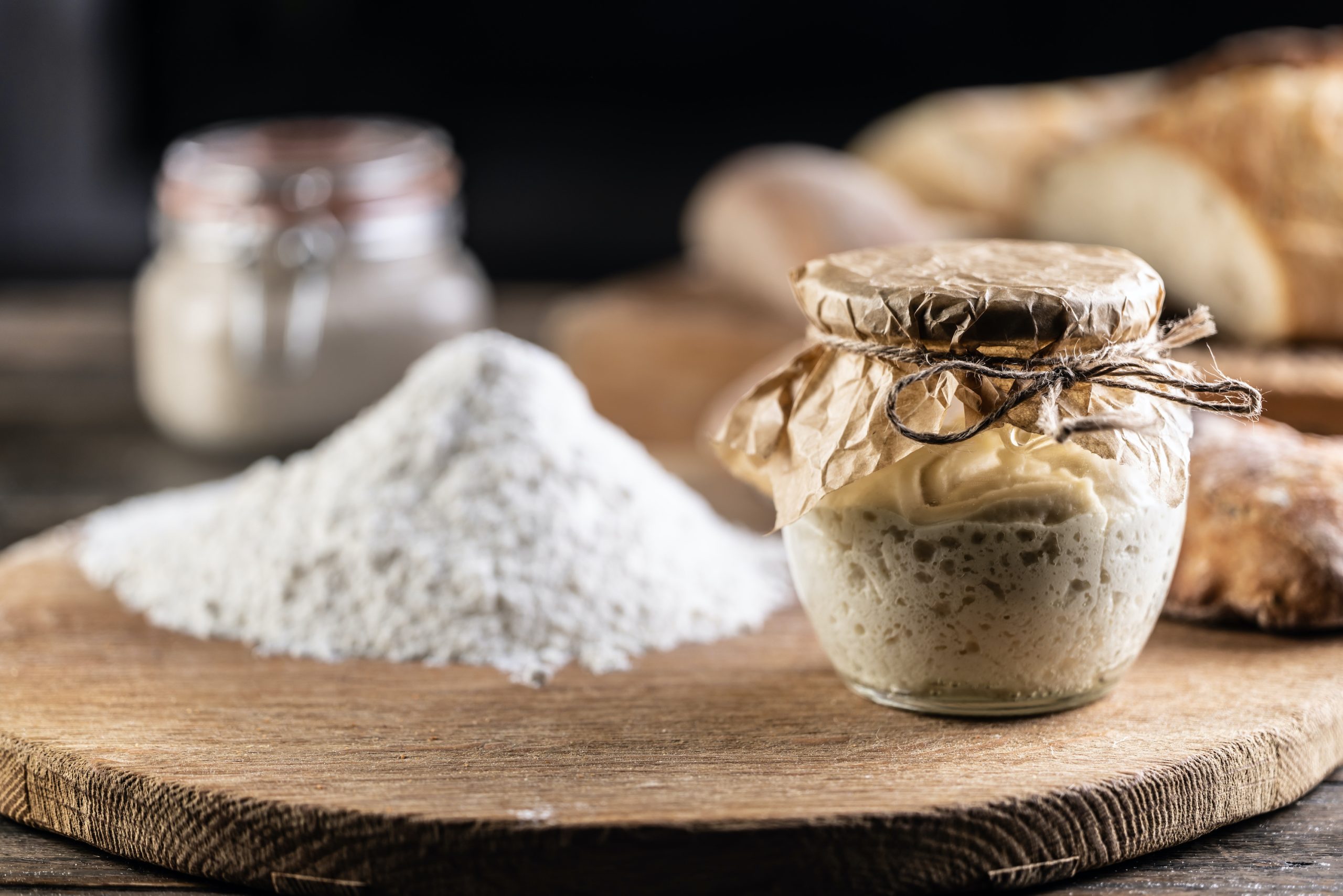
Understanding fermentation starts with the starter itself. For chefs, bakers, and fermentation beginners, the comparison of Koji vs Sourdough Starter reveals not only different microorganisms, but entirely different cultural approaches to flavor. This in-depth guide explores how koji and sourdough work, how they shape Japanese fermented food and Western fermentation, and why professionals worldwide are now rediscovering koji as a powerful tool in modern cuisine.
If you want to deepen your knowledge of Japanese fermentation or eventually join hands-on fermentation workshops in Japan, this guide is the perfect starting point.
What Is Koji?
Before comparing koji vs yeast, we need a short introduction to koji itself. Koji is a Japanese fermentation starter made by inoculating grains—typically rice—with Aspergillus oryzae, known as the “national fungus of Japan.” Unlike yeast, koji produces powerful enzymes such as protease and amylase, which break down proteins and starches to generate natural sweetness and deep umami. If you want the full scientific and culinary explanation of koji, please refer to the dedicated article What Is Koji?, which explores the organism, its history, and its culinary relevance in detail.
What Is a Sourdough Starter (Yeast)?
Before diving deeper into the comparison, let’s define the other half of Koji vs Sourdough Starter.
A sourdough starter is a living culture of wild yeast and lactic acid bacteria. Fed regularly with flour and water, it becomes stable enough to produce consistent bread. Many readers frequently ask “how often should sourdough starter be fed?” The answer depends on temperature and hydration, but most starters require daily feeding at room temperature or weekly feeding if refrigerated.
While koji relies on enzymatic action, sourdough relies on microbial metabolism—producing carbon dioxide for leavening and organic acids for flavor. This difference sets up a powerful contrast that shapes two very different fermentation traditions.
Koji vs Yeast: Scientific, Culinary, and Fermentation Differences
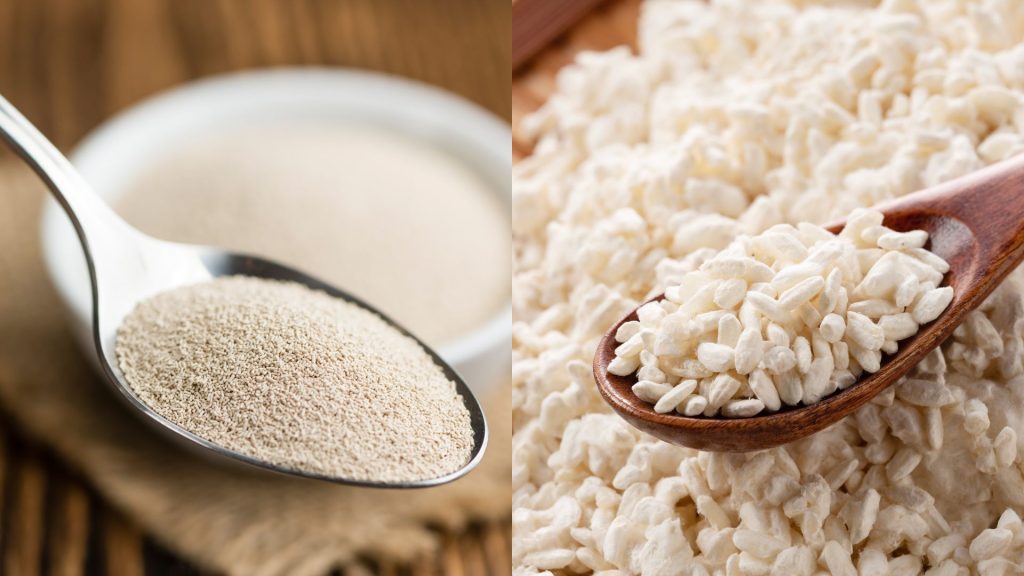
Although both koji and yeast are essential to global fermentation traditions, they play fundamentally different biological and culinary roles. Understanding these differences helps explain why fermented japanese foods have their unique depth, clarity, and complexity.
Microbial Structure
Koji (Aspergillus oryzae) is a filamentous mold. It grows thread-like hyphae that penetrate grains such as rice, barley, or soybeans. As it grows, koji secretes large quantities of enzymes—amylase, protease, lipase—that break down starches, proteins, and fats outside the organism.
Yeast (Saccharomyces cerevisiae and others) is a unicellular fungus. Instead of secreting a broad enzymatic arsenal, yeast primarily metabolizes simple sugars from within the cell, producing alcohol and CO₂.
Key distinction: Koji is an enzyme factory; yeast is a metabolic engine. Koji prepares ingredients for fermentation by other microbes—yeast completes fermentation.
Fermentation Mechanism
Koji performs enzymatic saccharification and proteolysis, transforming raw materials into fermentable substrates (e.g., converting rice starch into glucose). Its main function is breaking down complex molecules.
Yeast performs alcoholic fermentation, turning sugars into ethanol and aromatic compounds. Its main function is transforming simple molecules into new metabolic products.
In Japanese fermentation, these two systems are often layered. For example:
- Sake (multiple parallel fermentation): koji produces sugar; yeast ferments sugar into alcohol simultaneously.
- Miso and soy sauce: koji breaks down soy proteins and grains; lactic acid bacteria and yeast carry out secondary fermentation.
Koji is the starting engine; yeast is the finishing engine.
Flavor & Aroma Creation
Koji-driven fermentation produces:
- umami (free amino acids such as glutamate)
- gentle sweetness from glucose
- rich, rounded depth caused by peptide formation
- nutty, savory, sometimes fruity aromas depending on substrate
Yeast-driven fermentation produces:
- esters (fruity, floral notes)
- alcohol
- CO₂ (in bread and some beverages)
- aromatic compounds like higher alcohols and aldehydes
Koji shapes the foundation of flavor (umami, sweetness, complexity).
Yeast provides expressive aromatic qualities (fruitiness, lift, fermentation character).
Cultural Purpose
In Japanese food culture, koji is not merely a fermenter; it is a tool to unlock the intrinsic character of ingredients. Its enzymatic capabilities allow natural raw materials—rice, soybeans, grains—to reach their fullest expression.
By contrast, yeast-based traditions, such as bread, beer, wine, and cider, focus on transformation: turning sugars into alcohol or leavening dough.
Thus:
- Koji is an ingredient amplifier.
- Yeast is an ingredient transformer.
This difference explains why fermented japanese foods—miso, shoyu, mirin, amazake, sake, shio-koji—prioritize clarity, umami, and balance, while Western yeast-driven products emphasize aroma, texture, and fermentation character.
Fermented Japanese Food: Where Koji Fits in the Fermentation Ecosystem

Koji is the backbone of fermented japanese foods, influencing flavors that define Japanese cuisine:
・Miso
・Soy sauce
・Mirin
・Sake
・Rice vinegar (via sake)
・Amazake
・Salt koji
・Soy sauce koji
Etc..
Unlike American fermentation traditions, where the starter is typically used to ferment a single product such as bread or kombucha, Japanese fermentation starters like koji serve as enzyme engines—unlocking umami across an entire cuisine.
Koji changes the way we think about seasoning: instead of adding flavor on top, koji transforms the ingredient itself. This is why chefs in the world increasingly experiment with salt koji, shio koji marinades, and soy sauce koji in vegetables, meats, and plant-based cooking.
Want to explore how koji transforms real dishes? You can browse our selection of fermentation-friendly dishes and adaptations on our recipe page for beginners and professionals alike.
Koji Sourdough: How Koji Is Being Used in Modern Bread Making
As interest in Japanese fermentation grows, many bakers have begun experimenting with koji sourdough—a hybrid approach that incorporates koji into sourdough baking.
Why is koji becoming popular in bread making?
・Koji’s enzymes create natural sweetness
・Protease softens texture and enhances crumb tenderness
・Aromatic compounds boost complexity
This approach is popular among both professionals and home bakers because it doesn’t require changing the sourdough culture itself—koji can simply be added to dough or used to create a pre-ferment. Koji sourdough is a perfect example of how Japanese fermentation principles can complement Western fermentation culture, creating new flavor expressions without losing the essence of traditional sourdough.
How Anyone — Chefs or Home Cooks — Can Start Using Koji
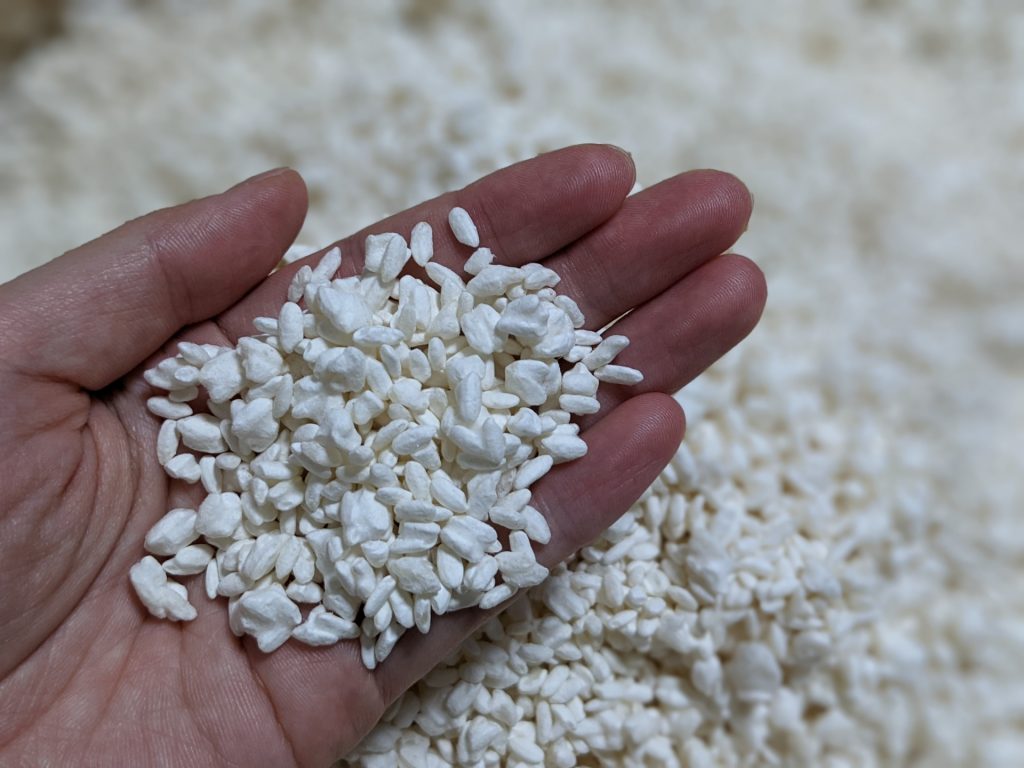
One of the reasons koji is becoming globally popular is its accessibility. You don’t need to be a professional chef to use it.
For Beginners
・Start with salt koji or soy sauce koji
・Use them as marinades, dressings, or seasoning bases
・Try amazake for natural sweetness in smoothies or sauces
For Professionals
・Apply enzymatic control intentionally (temperature × humidity)
・Build depth in sauces, broths, and plant-based dishes
Whether you cook at home or in a restaurant, beginning with simple applications unlocks the enormous potential of Japanese fermentation. If you want to receive practical tips, fermentation insights, and updates on our workshops in Japan, join our free email newsletter below. This is the easiest way to stay connected and expand your fermentation skills with real expertise.
” 耀 Hikari ” – Newsletter about Japanese fermentation
Conclusion
The comparison of Koji vs Sourdough Starter reveals far more than microbial differences—it uncovers two unique fermentation cultures. Koji remains the backbone of fermented japanese foods, shaping flavors that define the soul of Japan’s cuisine. Sourdough, on the other hand, stands as a symbol of Western fermentation built around yeast and lactic acid bacteria. Understanding both allows cooks, bakers, and fermentation enthusiasts worldwide to become more versatile, creative, and culturally conscious. And if you’re looking to deepen your knowledge, experiment more, or join fermentation-focused cooking sessions in Japan, our ongoing educational content and workshops are an excellent next step.
No responses yet