
Japanese fermentation often feels difficult to understand from the outside. Not because it is technically complex—but because it is rarely explained as a routine.
Many people approach Japanese fermented foods through recipes: how to make miso, how long to ferment, what temperature is correct. Those recipes do exist, and they matter. Yet they were never the starting point.
To understand Japanese fermentation, it helps to shift perspective—from “how to make it” to “how it has always been used.”
Recipes Exist—But They Were Never the Starting Point
When people hear that Japanese fermentation is “not recipe-based,” it can sound misleading.
Miso, soy sauce, vinegar, and pickles all have clear methods. Even today, many Japanese households learn them through written instructions.
The difference is not the absence of recipes, but what came first.
In Japan, fermentation was already embedded in everyday cooking long before it was carefully written down. Fermented seasonings were part of the kitchen by default. Recipes later emerged to explain, preserve, and share what people were already doing. This is why Japanese fermentation feels less like a set of instructions—and more like a way of life.
The Routine Came First: Fermentation Was Learned at Home
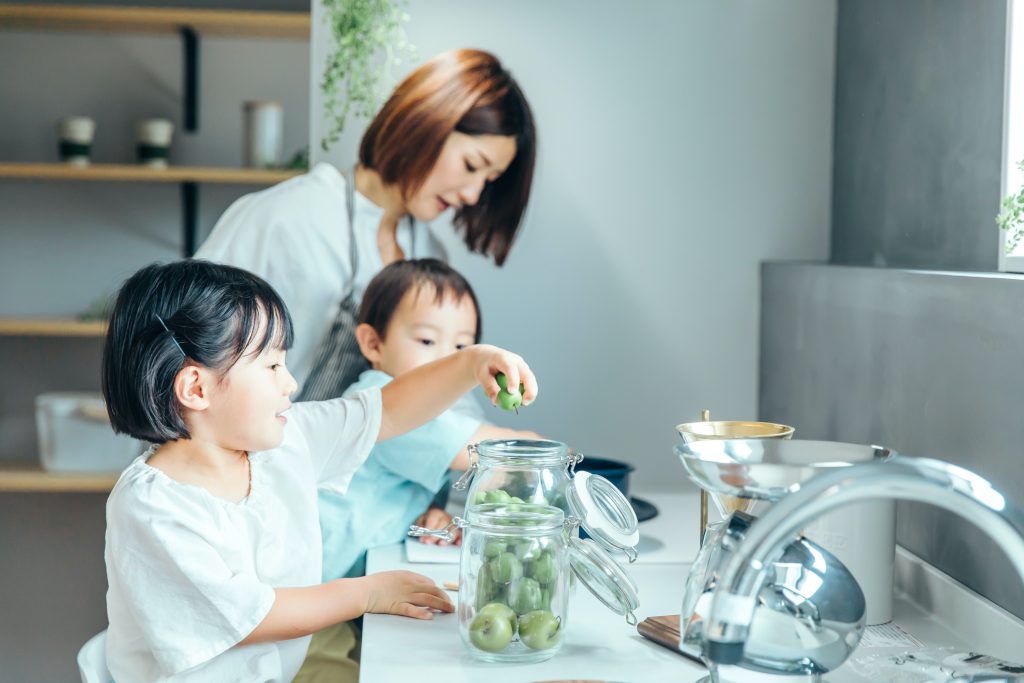
For centuries, fermentation knowledge in Japan was passed down in kitchens, not classrooms.
Children did not study fermentation as a subject. They absorbed it by watching meals being prepared, by helping with small tasks, and by noticing how flavors changed with the seasons. Fermentation was learned through presence and repetition.
Miso soup simmered quietly in the background. Soy sauce was always within reach. These ingredients were not introduced as “fermented foods”; they were simply how cooking was done.
Because fermented seasonings were always there, no one needed to decide whether to include them. They were assumed. This assumption—more than any instruction—created what we now call the Japanese fermentation routine. A typical routine is shown here
「A Day of Japanese Fermentation Culture: From Morning Miso to Evening Tea」記事リンク
Recipes Support the Routine—They Don’t Replace It
As fermentation practices spread and changed over time, recipes became important tools—but not replacements for routine.
In Japan, recipes often function as confirmation rather than instruction. They describe practices that people already recognize, helping preserve techniques while leaving room for adjustment. This is why many fermentation recipes allow flexibility and expect cooks to rely on their senses.
This perspective also explains why making fermented foods from scratch has never been mandatory. Historically, what mattered most was not how often fermentation was made, but how consistently it was used. Using miso, soy sauce, or vinegar every day mattered more than producing them yourself. Even today, starting with well-made store-bought products aligns with the cultural logic of Japanese fermentation.
For fermentation beginners, this can be a liberating realization. The goal is not perfection, but continuity. Routine comes first; technique grows naturally from there.
Why This Feels Difficult for Fermentation Beginners
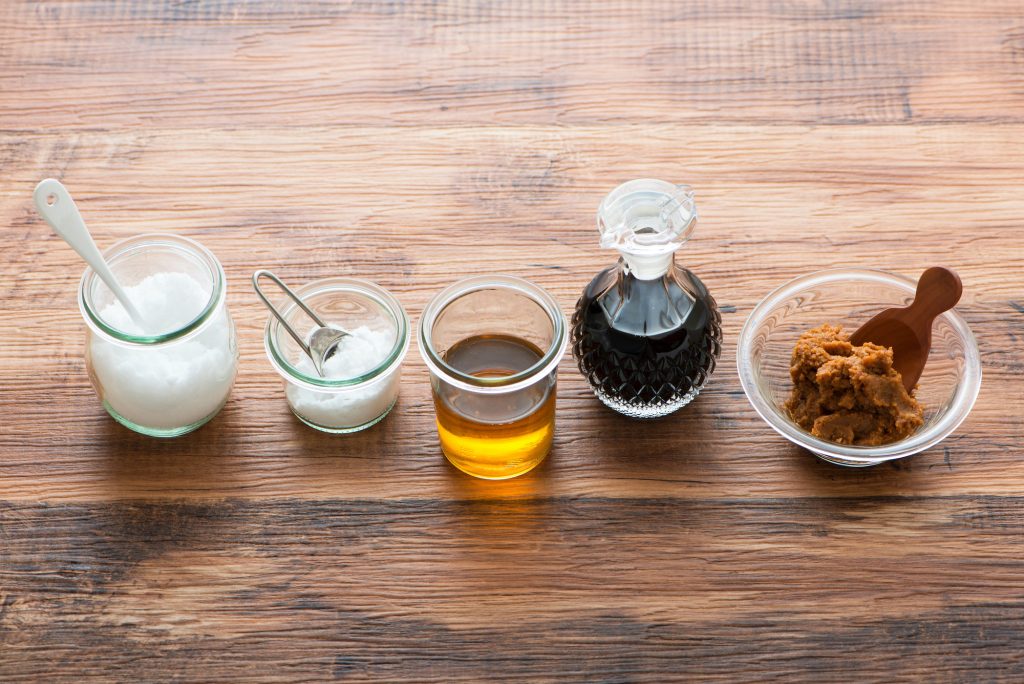
For many fermentation beginners, this mindset can feel frustrating. In many food cultures, success comes from following steps precisely. In Japanese fermentation, however, the “correct” outcome is shaped by repetition, observation, and use over time.
This is why beginners sometimes feel they are doing everything right—and still feel unsure. Japanese fermentation does not reward perfection on the first attempt. It rewards continuity. The goal is not to make one flawless batch, but to build familiarity through regular cooking. Understanding this reduces pressure and opens the door to a more sustainable relationship with fermentation.
What You Can Learn from This Routine Anywhere in the World
You do not need a traditional Japanese kitchen to practice this mindset. You can begin by:
- Keeping one fermented seasoning within reach
- Using it daily, even in simple dishes
- Allowing taste—not rules—to guide adjustments
This approach removes pressure and builds familiarity naturally. Over time, curiosity grows. Making fermented foods becomes a continuation of routine, not a separate project. And when you eventually experience Japanese fermentation in its original context—through travel, study, or hands-on learning—the structure behind it becomes clear.
Fermentation Lives in the Kitchen, Not on the Page
Japanese fermentation is not opposed to recipes.
It simply does not begin with them.
It begins with presence. With repetition. With the quiet assumption that fermented foods belong in the kitchen every day.
Once that routine is established, recipes become meaningful. They refine what already exists. They document culture rather than replace it. Understanding this shift—from recipe to routine—changes how fermentation feels. It becomes less intimidating, more human, and far more sustainable.
Japanese fermentation is not something you memorize. It is something you grow into. If you would like to explore the culture, routines, and thinking behind Japanese fermentation—beyond recipes— subscribe to our newsletter for deeper insights, seasonal stories, and practical perspectives from real kitchens.
No responses yet