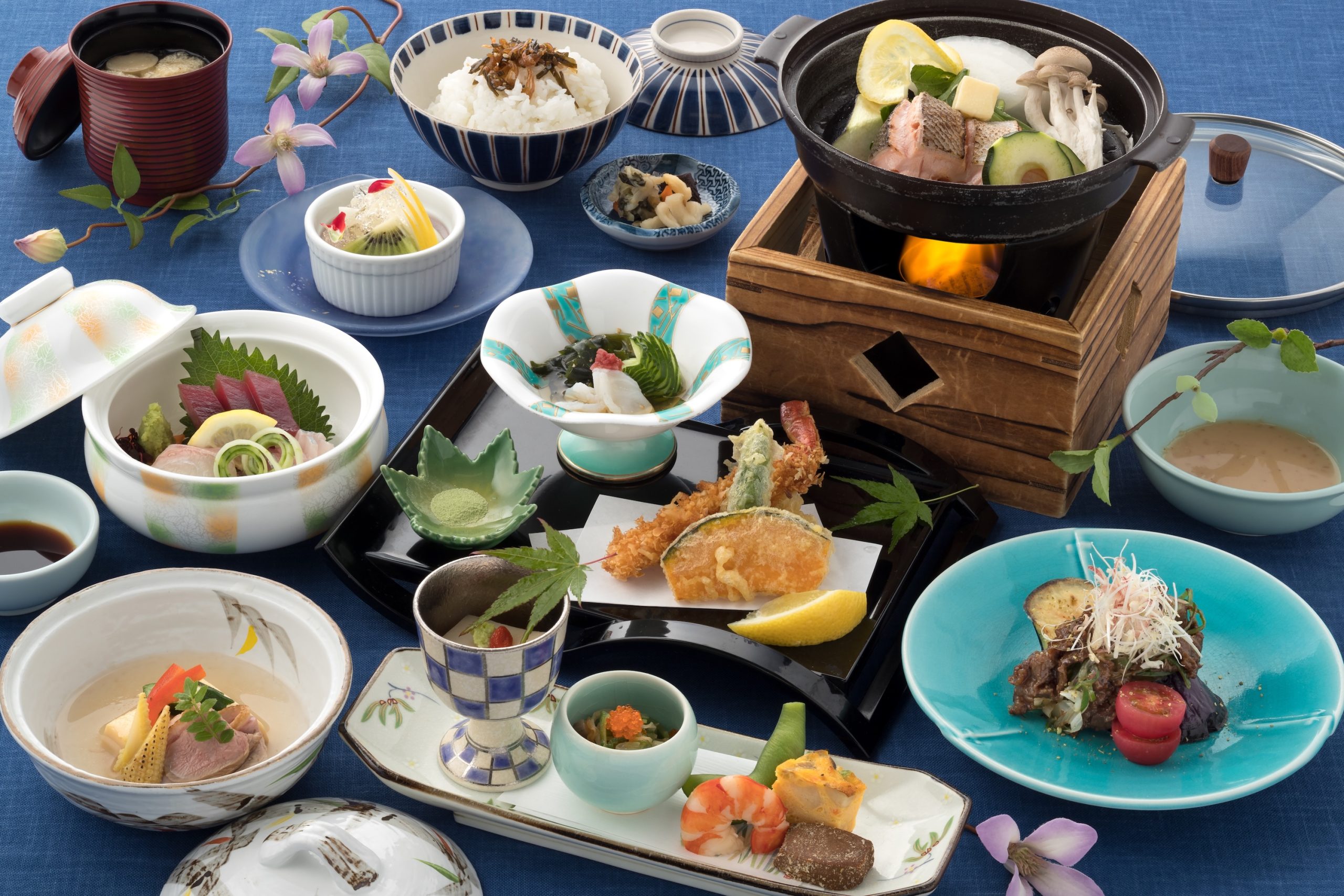
Many people begin exploring Japanese food through recipes. They follow instructions carefully, yet the result can still feel incomplete. In Japanese cuisine, how food is prepared often matters more than what is prepared. Before ingredients, seasonings, or even dish names, there is a shared way of thinking shaped by Japanese cooking methods.
These methods are not meant to impress or explain themselves. They quietly guide flavor, balance, and consistency across Japanese cooking. When seen through this lens, washoku appears less as a collection of dishes and more as a coherent structure.
This article does not offer recipes. Instead, it introduces Japanese cooking methods as a calm framework for understanding Japanese cuisine—allowing individual dishes to make sense without being memorized.
What Are Japanese Cooking Methods?
Japanese cooking methods are the foundational techniques used in washoku to shape flavor, texture, preservation, and seasonality—often before any specific recipe is considered. Seen not simply as individual skills, Japanese cooking methods function as a framework for decision-making. They exist before tools, seasonings, or dish names are chosen.
By understanding these methods, individual dishes become easier to grasp. Many Japanese cooking techniques follow the same underlying logic, which allows washoku to feel consistent and calm across countless variations. When viewed as a system, Japanese cooking techniques allow washoku to come into focus all at once, rather than dish by dish.
The 5 Core Japanese Cooking Methods
Most Japanese dishes can be understood through five core Japanese cooking methods. The classifications below are representative examples and do not cover every variation.
Japanese Cooking Methods: Simmering (Niru, 煮る)
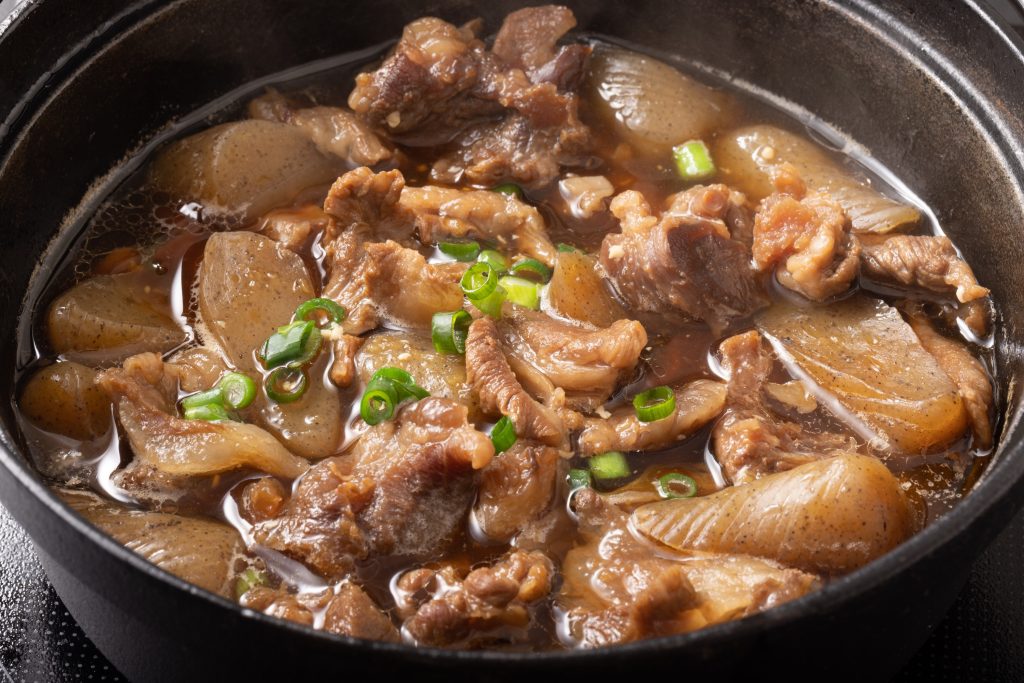
Role of the method:
Simmering refers to cooking ingredients with added liquid and seasonings. For example “Nimono, 煮物” are dishes in which ingredients are gently heated with water, dashi, and seasonings, allowing their natural character to transform while remaining intact.
Included classifications (examples only):
- Nimono, 煮物 (simmered dishes)
- Fukumeni, 含め煮 (ingredients simmered separately)
- Nikorogashi, 煮転がし (rolled simmering)
- Takiawase / Taki-awase, 炊き合わせ (simmered and assembled items)
- Shigureni, 時雨煮
- Nabemono, 鍋物 (hot pot dishes): As a cooking technique, it is a type of simmered dish, but in terms of culture and eating style, it is treated as an independent “nabemono” (hot pot dish).
Quiet relationship with fermentation:
Simmering allows fermented seasonings such as soy sauce and miso to permeate ingredients without overpowering them. Their umami and aroma blend into the food, elevating it into a deeper, more rounded expression of flavor.
Japanese Cooking Methods: Grilling (Yaku, 焼く)
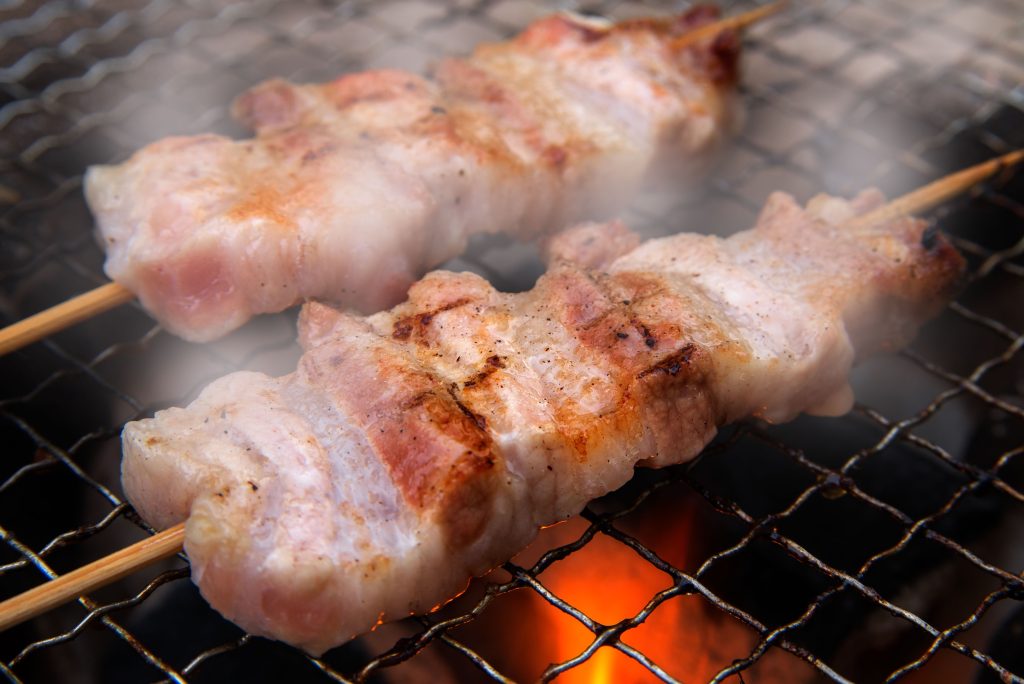
Role of the method:
Grilling refers to cooking ingredients over direct or indirect heat, such as open flame, a pan, or an oven. By applying high heat to the surface, grilling creates aromatic browning, concentrates flavor, and adds depth through natural reactions that occur during heating.
Included classifications (examples only):
- Yakimono, 焼き物 (grilled dishes)
- Teriyaki, 照り焼き
- Shioyaki, 塩焼き (salt grilling)
- Tsukeyaki, 漬け焼き (marinated grilling)
Quiet relationship with fermentation:
When fermented seasonings are used in grilling, excess moisture and alcohol are cooked off, while concentrated umami and heat-stable aromas remain. Through browning, subtle bitterness, richness, and gentle acidity emerge, allowing fermentation and fire to work together and give ingredients a more layered, expressive character.
Japanese Cooking Methods: Steaming (Musu, 蒸す)
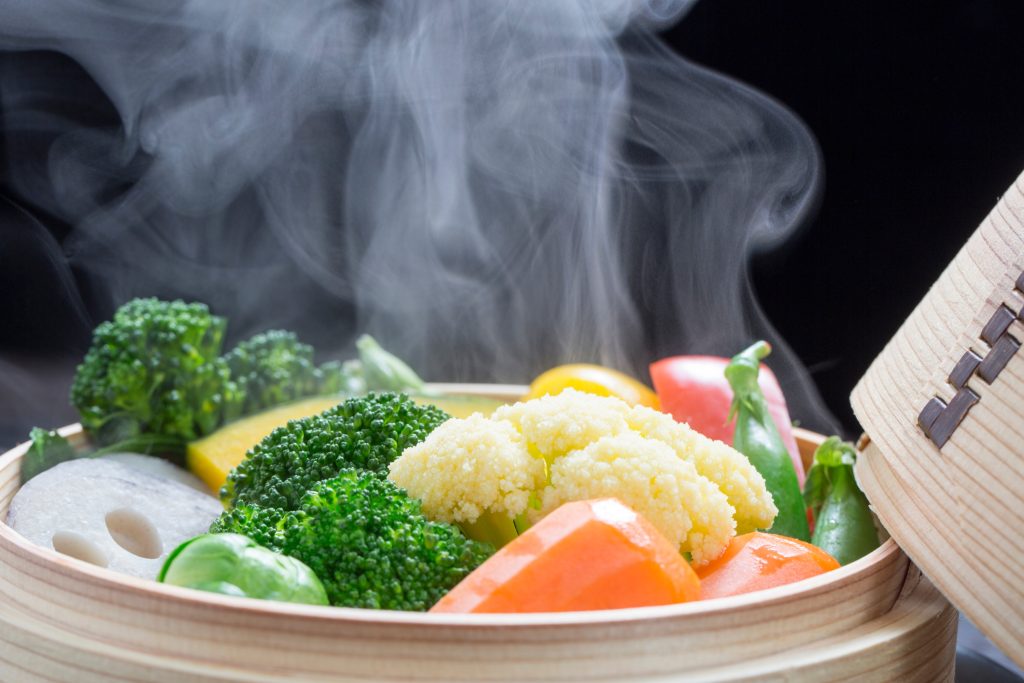
Role of the method:
Steaming cooks ingredients using heat from water vapor generated by boiling water, often with tools such as bamboo steamers or steam pots. Because no oil is used and heat is applied gently, ingredients retain their natural moisture, resulting in a soft, tender texture. Steaming helps preserve shape and clarity, and as long as steam is present, food does not scorch.
Included classifications (examples only):
- Mushimono, 蒸し物 (steamed dishes)
- Chawanmushi, 茶碗蒸し
- Mushizushi, 蒸し寿司
Quiet relationship with fermentation:
When steamed ingredients are paired with sauces made from fermented seasonings, the natural sweetness and umami drawn out by steaming blend smoothly with those of the seasonings. If well balanced, this combination creates a light yet layered flavor profile, where clarity and depth coexist without heaviness.
Japanese Cooking Methods: Frying (Ageru, 揚げる)
Role of the method:
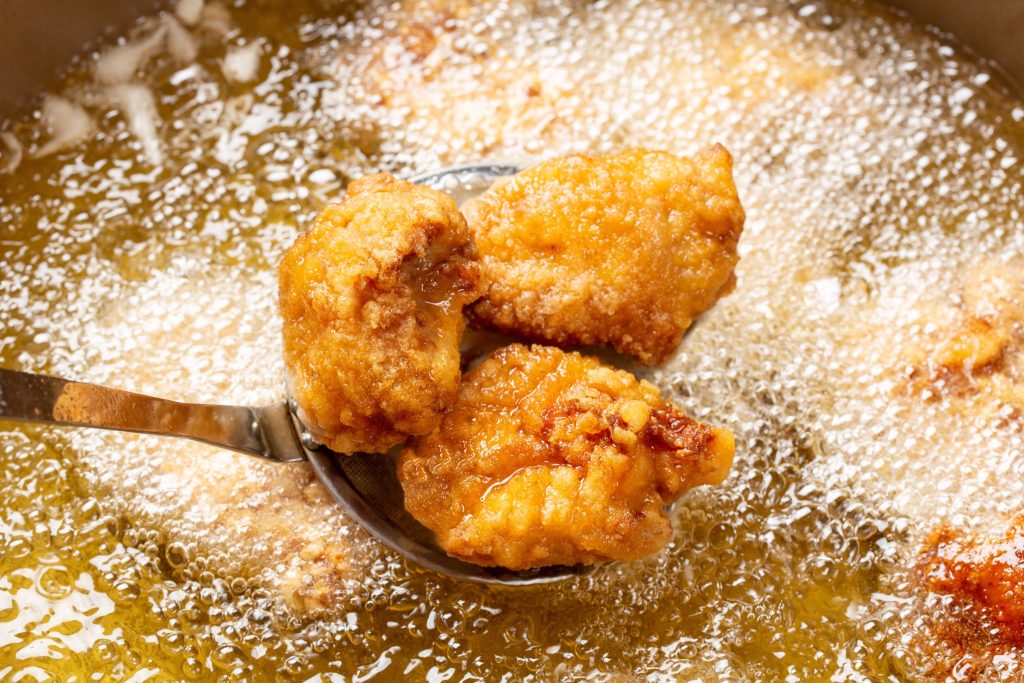
Frying refers to cooking ingredients in hot oil, using intense heat to cook them quickly and evenly. This method creates a clear contrast between a crisp exterior and a moist interior, while adding aroma and richness through the interaction between oil and heat. In Japanese cooking, frying is designed to transform structure without allowing oil to dominate the overall flavor.
Included classifications (examples only):
- Agemono, 揚げ物 (fried dishes)
- Tempura, 天ぷら
- Karaage, 唐揚げ
- Tatsuta-age, 竜田揚げ
Quiet relationship with fermentation:
When fermented seasonings are used in preparation or seasoning, they add savory depth and complexity to fried foods. This can bring balance and clarity, allowing fried dishes to feel layered yet clean on the palate.
Japanese Cooking Methods: Raw Preparation (Nama, 生)
Role of the method:
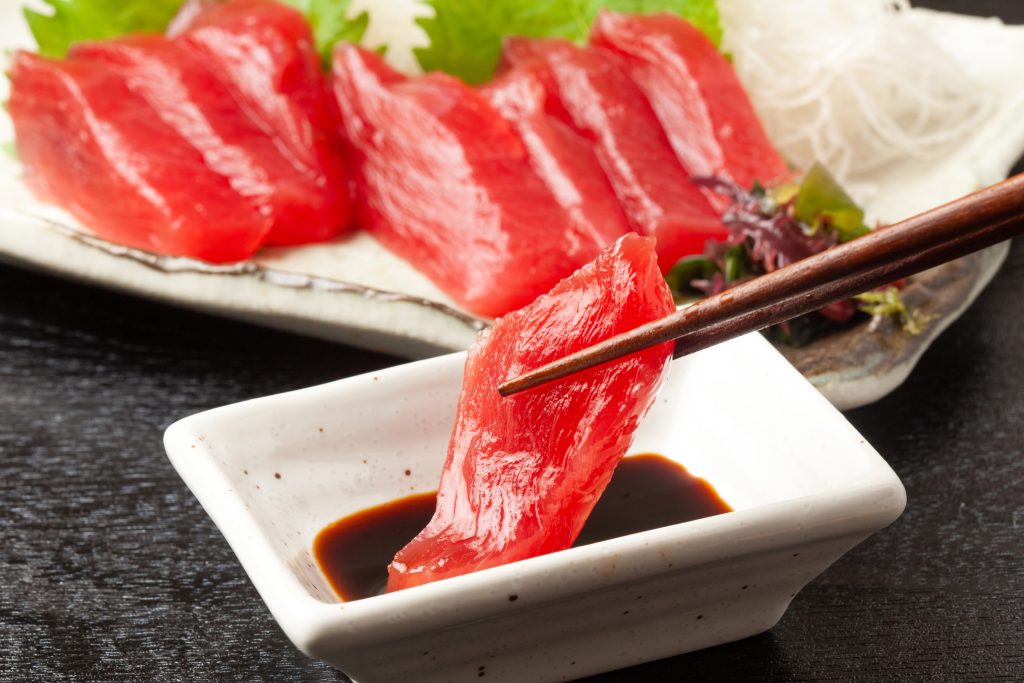
Raw preparation refers to cooking approaches that use little to no heat, keeping structural intervention to a minimum. This method relies on the freshness, quality, and condition of ingredients, allowing their natural flavor and texture to remain clear and intact.
Included classifications (examples only):
- Sashimi, 刺身
- Sunomono, 酢の物
- Aemono, 和え物
Quiet relationship with fermentation:
In raw preparation, fermented seasonings are often used directly—such as soy sauce with sashimi, name-miso with vegetables, or vinegar-based mixtures for lightly dressed produce. Rather than altering ingredients, these seasonings support them. Their umami, gentle sweetness, and aroma enhance what is already present, allowing ingredients to remain alive and expressive without being overwhelmed.
Learning Japanese Cooking Methods Beyond Recipes
Recipes describe outcomes, but Japanese cooking methods explain decisions. Once the methods are understood, dishes can change while clarity remains. You no longer need to memorize names or steps—the structure begins to guide you.
For some readers, this perspective is enough. For others, it naturally raises quiet questions about fermentation, seasoning, and how these methods are practiced in real kitchens.
If that curiosity lingers, there are gentle ways to continue exploring. Some choose to receive short essays that reflect on Japanese fermentation and cooking structure. Others prefer to experience these ideas through simple pairings of fermented foods and Japanese tea, or through a brief period of immersive study in Japan. None of these are about learning recipes—they are simply ways of seeing the same methods more clearly.
Japanese Cooking Methods as a Way of Thinking
Japanese cuisine is not a collection of famous dishes. It is a system shaped by Simmering, Grilling, Steaming, Frying, and Raw preparation. Fermentation is not the centerpiece. It is the background architecture that supports these methods quietly and consistently.
To understand Japanese cooking methods is to understand how washoku is designed—why it feels calm, why it adapts, and why it endures. This perspective does not require mastery. It only requires attention.
Japanese Cooking Methods FAQ
Are Japanese cooking methods healthy?
Japanese cuisine has traditionally emphasized meal structure. A well-known example is ichiju-sansai—a combination of one soup and several small dishes—which encourages variety and balance across a meal. In this way, the sense of healthfulness comes less from individual techniques and more from how dishes are composed and eaten together.
Is fermentation required for Japanese cooking?
Fermentation is not mandatory, but it plays a foundational role in many Japanese cooking techniques.
Can I learn Japanese cooking without recipes?
Yes. Understanding methods allows learning that goes beyond recipes and supports long-term adaptability.
No responses yet