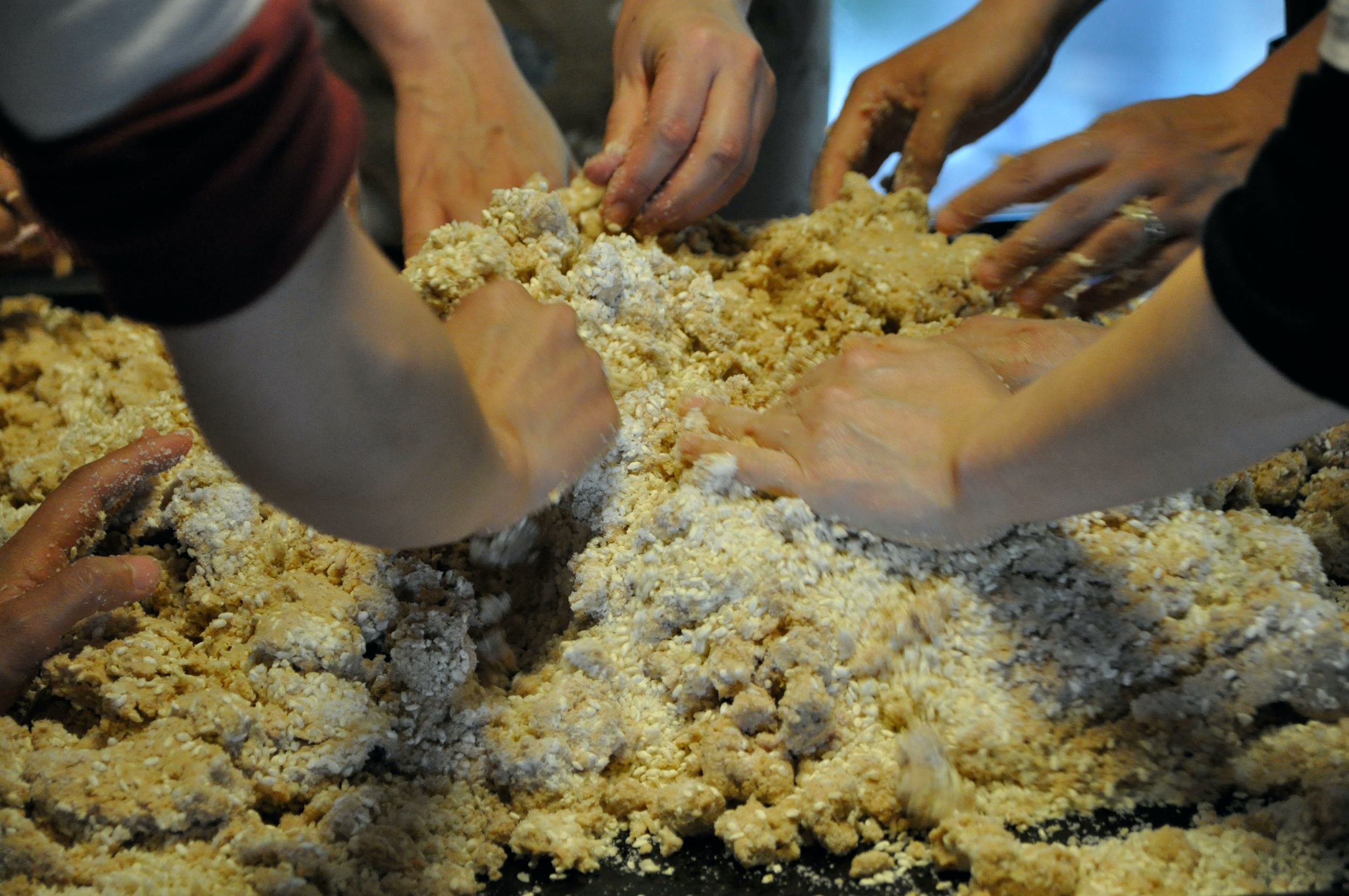
What Fermentation Is: Why Ancient Japanese Wisdom Matters Today
Fermentation is often described as a health trend or a culinary technique, but in reality, it is far more fundamental than either. To understand what fermentation is, we need to look beyond trends and rediscover fermentation as a process that has quietly shaped human food culture for thousands of years.
In Japan, fermentation is not treated as a novelty or a shortcut. It is a disciplined practice—one that transforms simple ingredients into foods with depth, balance, and longevity. Today, as food professionals around the world seek sustainable flavor development and deeper food literacy, Japanese fermentation offers insights that are both ancient and surprisingly relevant.
This article explores what fermentation is, how it works, and why it continues to matter—for food professionals, for human health, and for anyone curious about Japanese cuisine.
What Fermentation Is: A Simple and Scientific Explanation
From a biological and food science perspective, fermentation is a process driven by microorganisms—primarily bacteria, yeast, and mold—that transform raw ingredients over time.
To understand what fermentation is, it is essential to clarify how it differs from spoilage. Both fermentation and spoilage arise from microbial activity, and under similar conditions, either outcome may occur. The distinction is not based on the presence or absence of control, but on how humans interpret the result.
Humans do not directly control microorganisms. Instead, fermentation is cultivated rather than controlled. People create environments that favor certain microbial communities, but the microorganisms themselves ultimately determine the outcome. When microbial activity produces results that are beneficial or desirable, it is called fermentation; when the results are harmful or unwanted, it is described as spoilage.
In Japanese food culture, this understanding is deeply ingrained. Fermentation is approached with humility toward microbial life, recognizing that success depends on careful observation, adjustment, and experience rather than certainty.
How Fermentation Works: From Raw Ingredients to Living Foods
Understanding how fermentation works requires attention to the environment in which microorganisms grow.
Key factors include time, moisture, salt, and temperature, all of which interact to shape microbial activity. Among these, moisture plays a particularly important role in many Japanese fermentation practices. Without appropriate humidity, beneficial microorganisms cannot establish themselves, regardless of temperature.
Temperature, therefore, is not always the primary driver. In many cases, it is adjusted specifically to support the right level of moisture and to stabilize microbial growth over time. Salt further influences fermentation by limiting the growth of certain microorganisms while allowing others to thrive.
Through this careful cultivation of environmental conditions, raw ingredients gradually transform into living foods. The process remains inherently dynamic, requiring ongoing attention rather than fixed control—a principle that lies at the heart of Japanese fermentation traditions.
Why Fermentation Is Important for Food Professionals
For food professionals, fermentation is not merely a nostalgic technique—it is a practical skill.
Understanding why fermentation is important begins with recognizing its role in flavor creation. Fermentation develops umami, softens sharp edges, and integrates aromas over time. These qualities are difficult to achieve through additives or rapid processing.
Beyond flavor, fermentation offers versatility. Chefs, educators, and wellness practitioners alike use fermented foods to add depth without excess fat, sugar, or complexity in preparation. Fermentation allows ingredients to express themselves more fully.
In California and other culinary hubs, many chefs are turning to Japanese fermentation not to imitate Japanese dishes, but to learn a system of thinking. Japanese fermentation teaches patience, observation, and respect for microbial activity—skills that translate across cuisines.
In this sense, fermentation is not a trend. It is a professional asset.
Why Fermentation Is Important for Human Health
Discussions about health often oversimplify fermentation, but a careful explanation of why fermentation is important reveals a more nuanced picture.
Fermented foods are associated with improved digestibility because fermentation breaks down complex compounds into simpler forms. This process can make nutrients more accessible and easier for the body to utilize.
Fermentation is also linked to microbial diversity in the gut. Fermented foods naturally contain or support microorganisms that interact with the existing gut ecosystem. While outcomes vary depending on diet and lifestyle, research suggests that fermented foods play a role in supporting microbial balance.
Importantly, in traditional food cultures like Japan, fermented foods are consumed as part of daily meals—not as supplements or isolated interventions. This habitual use reflects a long-standing understanding of food as a foundation of everyday life.
Why Fermentation Is Important in Japanese Cuisine

To understand Japanese cuisine, one must understand fermentation.
Fermentation forms the backbone of washoku, Japan’s traditional food culture. Staples such as miso, soy sauce, sake, and mirin are not supporting ingredients—they are structural elements that shape taste, aroma, and balance.
One reason fermentation is so important in Japanese cuisine is its relationship with umami. Fermentation increases free amino acids and other compounds that contribute to savory depth. At the same time, it enhances preservation, allowing foods to develop over months or years without losing stability.
Unlike cuisines where fermented foods appear occasionally, Japanese cuisine incorporates them daily. This regularity reflects a philosophy in which fermentation is not exceptional, but essential.
What Fermentation Is in Japan: Key Fermented Foods to Know
When considering what fermentation is in Japan, several foundational foods stand out:
- Miso: A fermented paste made from soybeans and koji mold, used across soups, sauces, and marinades.
- Soy Sauce: A long-fermented seasoning that balances saltiness with sweetness and umami.
- Sake and Mirin: Fermented rice-based liquids that contribute aroma, sweetness, alcohol, and complexity.
- Rice-based fermentation culture: Koji fermentation, in particular, underpins many Japanese foods
These foods are not interchangeable; each reflects specific fermentation choices refined over centuries. If you want to know Japanese seasonings and culture, check the below.
What Fermentation Is—and Why Learning It in Japan Changes Everything
So, what fermentation cannot be reduced to a definition alone. It is a process, a discipline, and a cultural framework.
For food professionals, fermentation offers a deeper understanding of flavor and structure. For those interested in health, it represents a time-tested approach to everyday nourishment. And in Japan, fermentation is a living tradition—one that continues to evolve while remaining rooted in precision and respect for nature.
Learning fermentation where these practices originated provides insight that goes beyond technique. It reveals a way of thinking about food itself.
If you would like to explore Japanese fermentation more deeply—its philosophy, ingredients, and learning opportunities—our newsletter offers ongoing insights designed for food professionals and serious learners around the world.
No responses yet