
Fermentation is often described as a process you start. You prepare a starter culture, control the temperature, wait, observe, and adjust. In many parts of the world, fermentation is treated as a project—something intentional, planned, and often documented step by step.
In Japan, fermentation works differently.
It is rarely scheduled, measured, or highlighted. Instead, it quietly supports daily life. Fermented foods are not introduced as health tools or special dietary choices. They are already there, embedded in meals, cooking methods, and habits that repeat every day without much thought.
This difference is not about technique. It is about fermentation culture—how fermentation lives within a society, rather than how it is produced.

Fermentation Culture vs Starter Culture Thinking
To understand Japanese fermentation, it helps to first acknowledge the logic many readers already know.
In Western fermentation culture, the focus is often on starter cultures. Sourdough starters are carefully maintained. Yogurt fermentation is discussed in terms of strains and temperature. Kombucha, kefir, and even starter culture for buttermilk are framed as living systems that require attention and control.
This approach makes sense. It is hands-on, educational, and empowering. It teaches how fermentation works and why fermentation is important from a scientific and nutritional perspective.
Japanese fermentation culture does not reject this thinking—but it does not rely on it either.
Rather than asking, “How do I start fermenting?”, Japanese food culture assumes fermentation has already happened elsewhere. Soy sauce, miso, vinegar, and other fermented seasonings arrive in the kitchen as finished, stable ingredients. The daily practice is not fermentation itself, but how to live with its results.
This shift—from starting fermentation to using it—changes everything.

A Day of Traditional Japanese Fermentation Culture
To see how this works in practice, it helps to follow fermentation through an ordinary day in Japan. Not a special occasion. Not a health-focused routine. Just a normal day shaped quietly by fermented foods. Here’s a look at a typical day at a traditional Japanese dinner table.
Morning: Miso Soup as a Background, Not a Health Choice
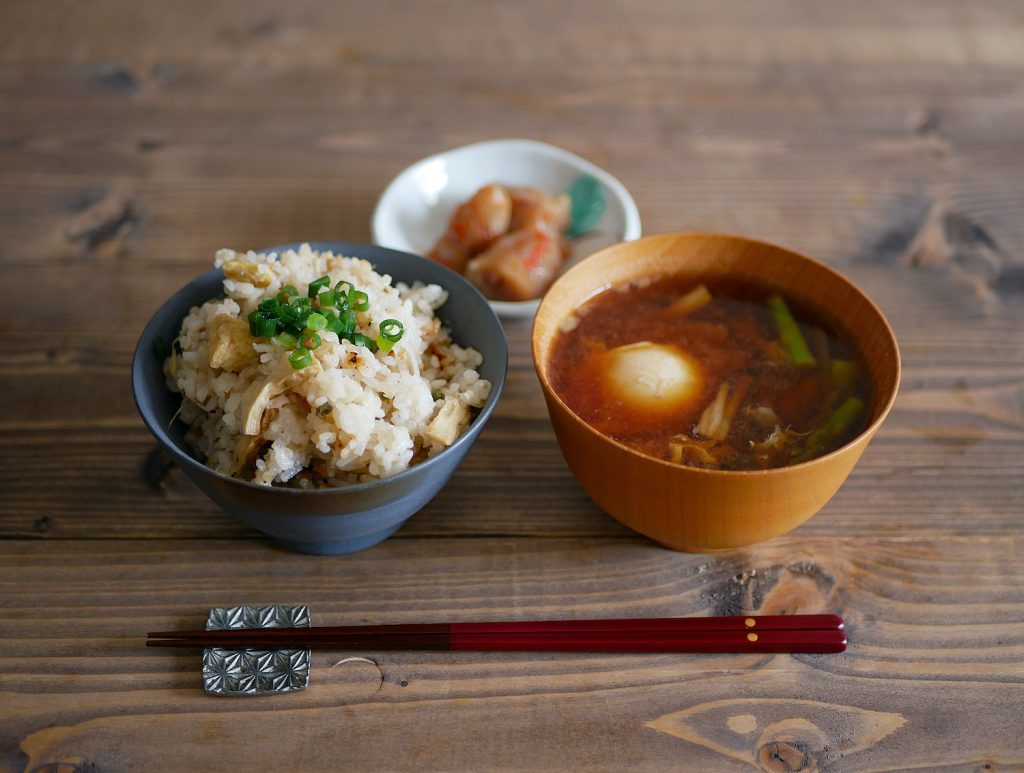
The day often begins with miso soup.
Not because it is probiotic.
Not because it supports gut health.
And rarely because someone consciously decided to “eat fermented food.”
Miso soup exists as part of the morning landscape. It is warm, familiar, and gentle. It provides saltiness, umami, and comfort, but it does not demand attention. In Japanese daily life, fermentation here functions like background music—supportive, steady, and easy to overlook.
This is a key difference in Japanese fermentation daily life: fermented foods are not framed as functional foods. They are simply food.
Midday Meals: Fermentation Hidden in Plain Sight
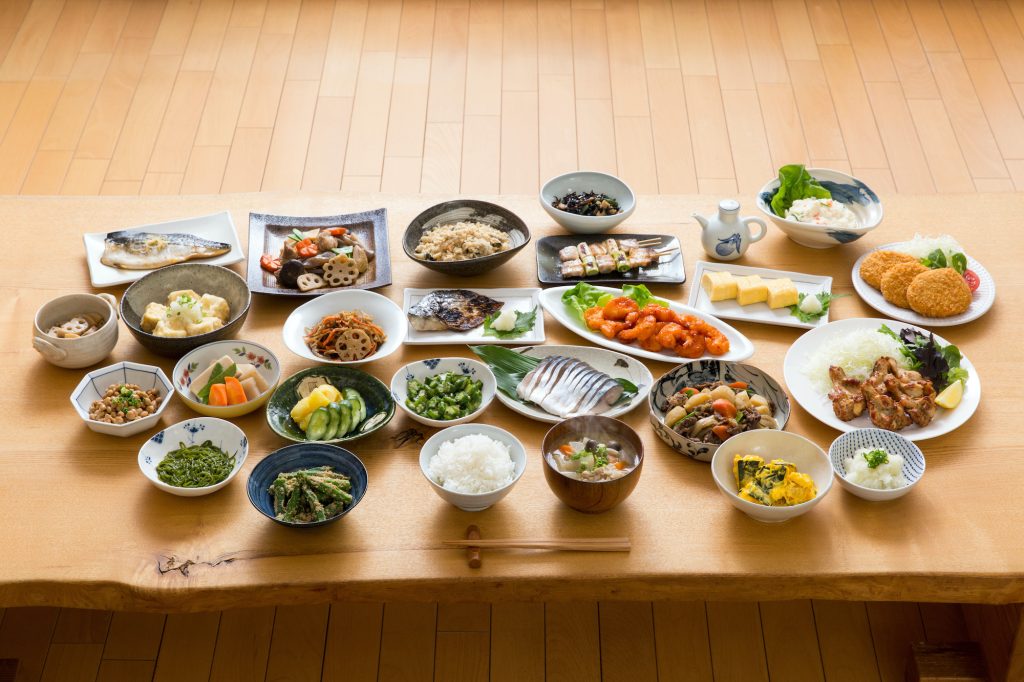
As the day continues, fermentation becomes even less visible.
This is because in Japan, fermentation does its work before food reaches the table. Soy sauce seasons vegetables, proteins. Miso appears in sauces or dressings. Vinegar balances flavors without being identified as “fermented.” These ingredients do not announce themselves. They structure flavor quietly from underneath.
This is especially clear in traditional meal structures such as “ichiju-sansai”—one soup, three dishes. Fermentation is rarely the star of any plate, yet it supports nearly all of them. Fermentation belongs more to cooking than to eating. This explains why Japanese fermentation culture feels subtle compared to starter-based approaches. When fermentation happens upstream, daily meals can remain simple, flexible, and intuitive.
Evening: Meals Are Served with Tea, Not Paired with It
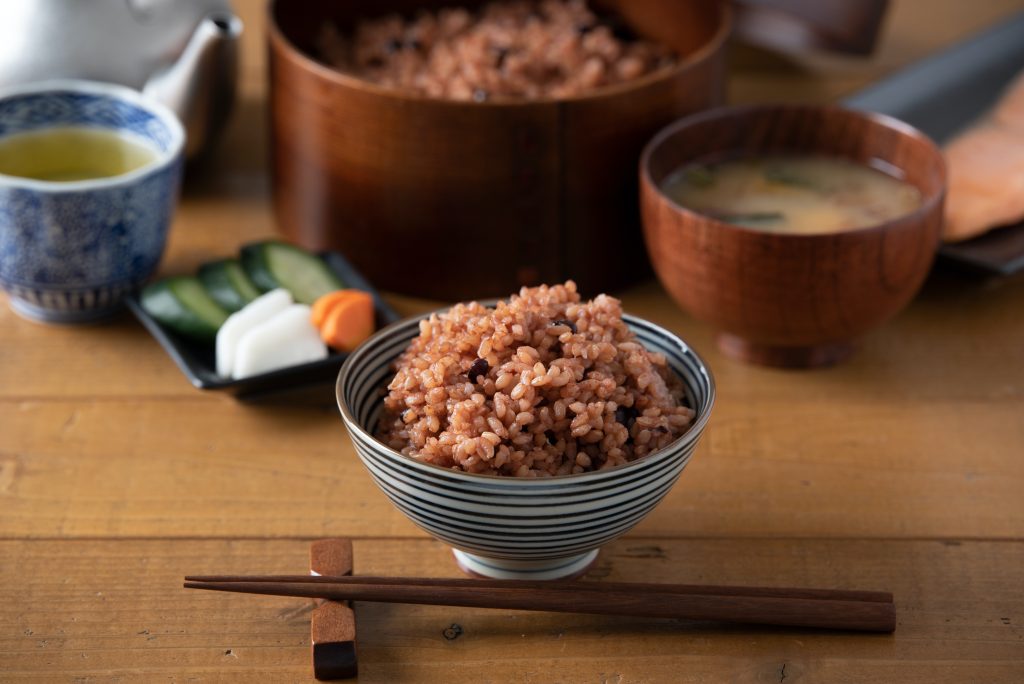
In the evening, meals are often accompanied by tea.
This is not pairing in the modern, curated sense. Tea is not selected to match flavors. It is simply there—served alongside food as a natural part of the meal.
Fermented dishes and tea coexist, not because they were designed to enhance each other, but because both belong to the everyday table. This distinction matters. Japanese food culture does not seek dramatic contrasts or optimized combinations in daily life. Instead, it favors familiarity and flow. When fermentation and tea appear together, it is not innovation. It is habit.

Fermentation as Culinary Infrastructure
At this point in the day, it becomes clear that Japanese fermentation functions less like an ingredient and more like infrastructure.
It is comparable to clean water or stable heat in a kitchen—essential, yet rarely acknowledged. Fermentation supports preservation, seasoning, and depth long before food reaches the table. By the time a meal is served, fermentation has already disappeared into the structure of the dish.
This infrastructure-like role explains why Japanese fermentation culture does not emphasize explanation or instruction in everyday life. When something works consistently, it stops asking for attention.
Rather than celebrating fermentation as a technique, Japanese food culture allows it to fade into normalcy. And in doing so, it ensures that fermentation remains sustainable, repeatable, and deeply rooted in daily practice.

Why Japanese fermentation doesn’t seem special to Japanese people
Many people ask why fermentation is important in Japan if it is so understated.
The answer is simple:
because it works best when it disappears.
When fermentation becomes routine, it no longer requires attention. When it becomes culture, it no longer needs explanation. This is the opposite of trend-based food movements, where visibility and novelty drive value. Japanese fermentation culture prioritizes continuity over excitement.
That is why it feels ordinary—and why it has lasted. Without Japanese fermentation, there would be no Japanese food.

What You Can Practice Anywhere in the World

You do not need access to Japanese ingredients, nor do you need to abandon starter cultures, to learn from this approach. Japanese fermentation culture can be practiced anywhere by shifting perspective:
- Use fermented foods as everyday seasonings, not special projects
- Avoid turning fermentation into an event
- Focus on small, repeated habits rather than results
This mindset complements, rather than replaces, hands-on fermentation practices. It offers a way to integrate fermentation into daily life without adding complexity.

When You Visit Japan, Fermentation Becomes Visible
In daily Japanese life, fermentation is easy to miss.
But when you step into kitchens, workshops, and learning spaces in Japan, fermentation suddenly becomes visible—not as a trend, but as accumulated habit. What was background becomes understandable. What felt ordinary reveals depth.
This is often when curiosity deepens. If you would like to continue learning about Japanese fermentation culture—slowly, practically, and beyond surface-level explanations—we share insights, stories, and learning opportunities through our newsletter.
No responses yet