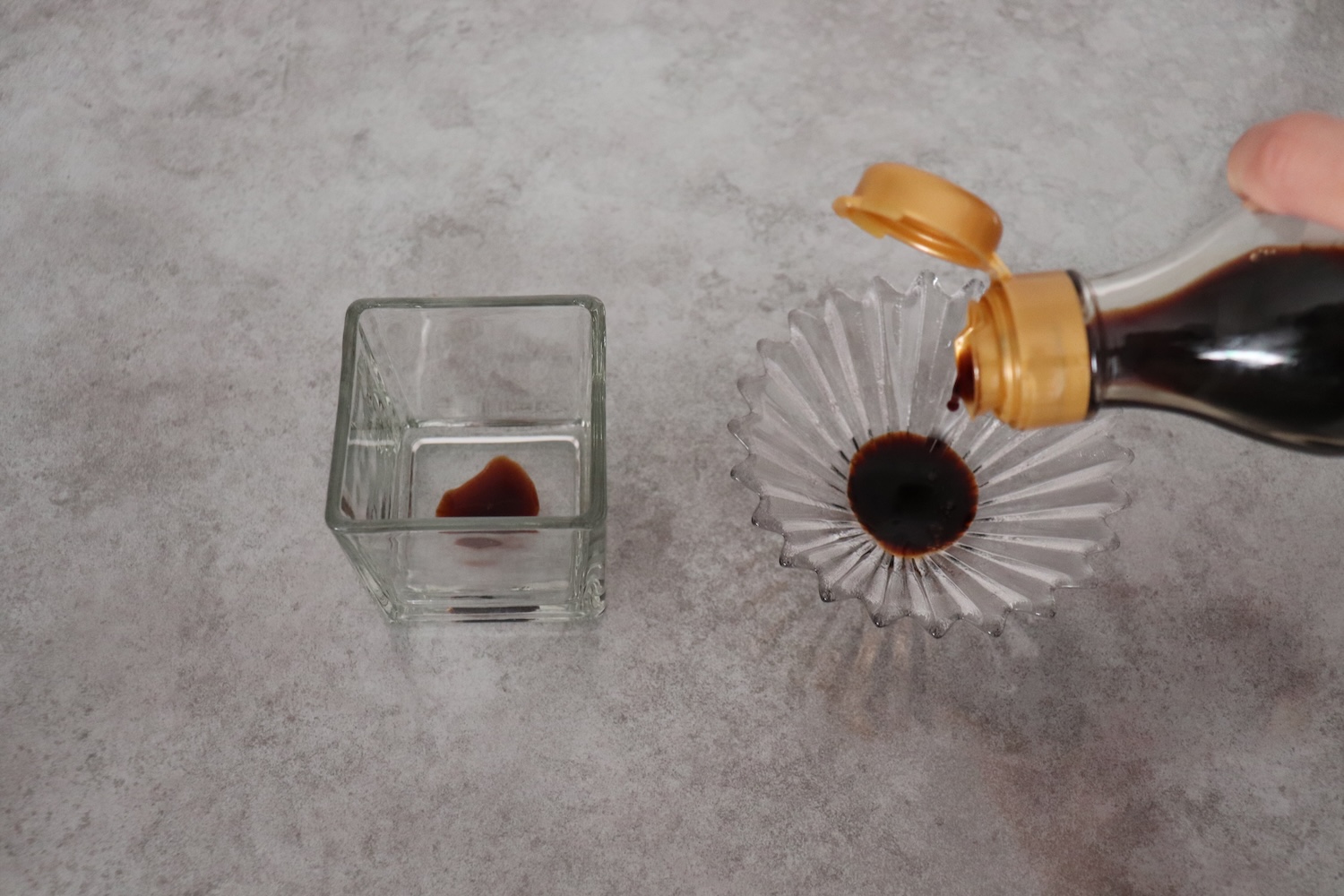
Observing Flavor Through Soy Sauce and Subtle Change
A familiar taste suddenly feels different. Not obviously wrong, not clearly failed—just misaligned enough to be noticed. It might be a seasoning or an ingredient used almost every day. Something expected to taste the same as yesterday.
Moments like this often trigger the question:
why does everything taste bad to me suddenly.
The concern is rarely about the food alone. More often, it is about the discomfort of not being able to explain the change.
This Journal does not attempt to fix that discomfort.
It stays with it—and observes.
Why Does Food Taste Different All of a Sudden When Only One Condition Shifts?
When food tastes different all of a sudden, the instinct is usually to correct it. To adjust seasoning, technique, or balance.
Here, that impulse is briefly paused.
Instead of changing many variables, attention is placed on a single condition—temperature, along with the time it is allowed to settle. Not to find a cause, but to notice what becomes visible when everything else remains still.
For this observation, a single fermented seasoning is used as an example. Soy sauce appears here not as a subject, but as a familiar reference point.
How Temperature Changes the Way Soy Sauce Tastes
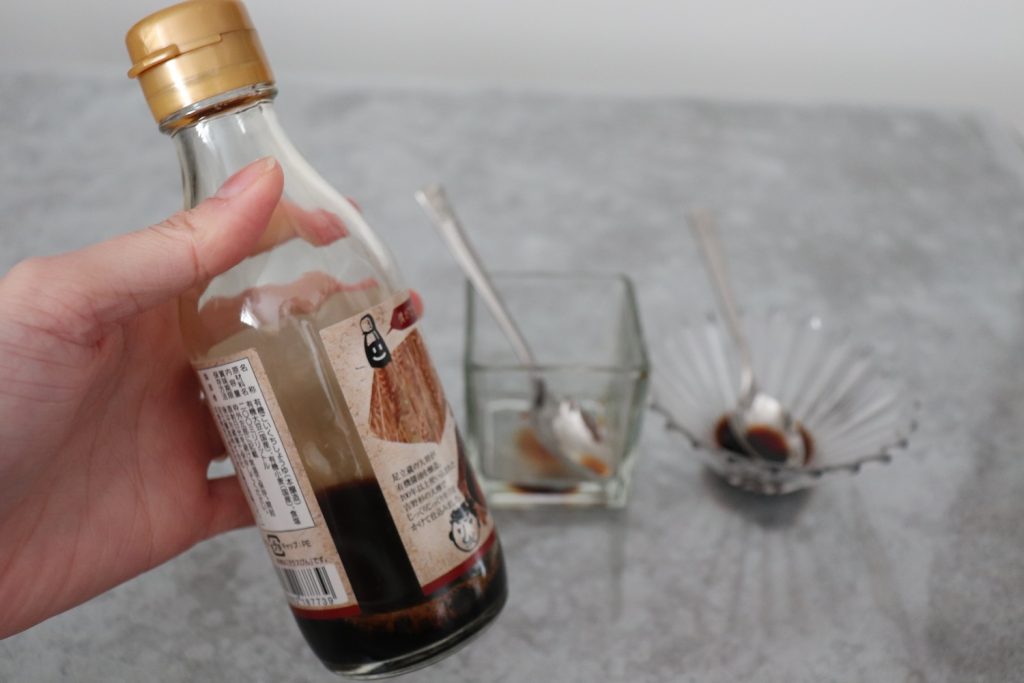
To make the shift easier to notice, the soy sauce was tasted without combining it with any food. One sample was taken directly from the refrigerator. Another was allowed to return to room temperature for approximately two and a half hours before tasting.
The first difference appeared in aroma.
The soy sauce taken straight from the refrigerator released a scent that felt more layered and dense. The aroma rose slowly, but with complexity, suggesting depth rather than sharpness. By contrast, the soy sauce at room temperature felt quieter on the nose, its aromatic profile less distinct.
The perception of saltiness, interestingly, did not change very much. In both cases, the level of salt itself felt similar.
What shifted was everything around it.
At room temperature, umami and subtle sweetness were harder to perceive. With fewer supporting notes, the saltiness stood alone and felt more forward—almost harsher by comparison. The chilled soy sauce, however, carried its saltiness within a wider structure of flavor.
The difference became most apparent in the aftertaste.
The soy sauce tasted straight from the refrigerator lingered longer. Its finish felt stronger, more complex, leaving layers of flavor that continued to unfold after swallowing. The room-temperature soy sauce faded more quickly, its impression simpler and less persistent.
Nothing about the soy sauce itself had been altered. Only its temperature—and the time allowed for it to change—had shifted.
How Fermentation Continues Quietly in Naturally Fermented Seasonings
These shifts are not only sensory; They are also connected to the nature of fermentation itself. Another layer sits beneath temperature.
Naturally fermented seasonings are never entirely static.
Even after heating or bottling, fermentation does not simply disappear.
Time continues.
Temperature fluctuates.
Air enters with each opening.
These movements are slow and quiet, but they exist. They do not announce themselves, yet they contribute to why food tastes different from one moment to the next.
Why Does My Food Taste Weird — When the Cause Is Not the Food
Sometimes, observation reaches a limit.
There are moments when why does my food taste weird arises even though no clear change can be found in the seasoning itself.
Taste perception is known to shift during periods such as:
- physical fatigue
- illness
- pregnancy
- prolonged stress or tension
These are not causes in a strict sense.
They are conditions that influence perception.
Recognizing this makes room for uncertainty.
It removes the pressure to blame the food—or oneself.
Why Does Everything Taste Weird When We Look for Reasons
At a certain point, the question itself begins to shape the experience. Searching intensely for reasons can narrow attention. Taste becomes something to diagnose rather than encounter.
This is where why does everything taste weird often deepens. Not because something is wrong, but because tasting has turned into evaluation.
Observation offers a different posture.
It does not rush to explain.
It allows variation to exist without immediately labeling it as a problem.
Why Does Everything Taste Bad to Me Suddenly — What Observation Makes Visible
The observation began with soy sauce, not as a conclusion but as one example. Seen together, these moments point to something simple.
This observation used soy sauce as one example. But the same shifts can be found in other seasonings, ingredients, and foods.
Temperature changes.
Fermentation continues quietly.
The person tasting is never exactly the same.
When people search why everything tastes bad to me suddenly, the fear is often about loss—of skill, consistency, or control.
Observation reveals something else.
Taste is not failing.
It is responding.
Continuing the Observation
If this way of observing food feels familiar, ongoing reflections on Japanese fermentation are shared through the newsletter—where change is treated as part of the process, not a problem to solve.
And for those who wish to explore fermentation beyond reading, immersive culinary study programs and 1 Day fermentation class, Making Amazake and Cooking Class in Japan offer space to experience these observations directly, through time, place, and practice.
No responses yet